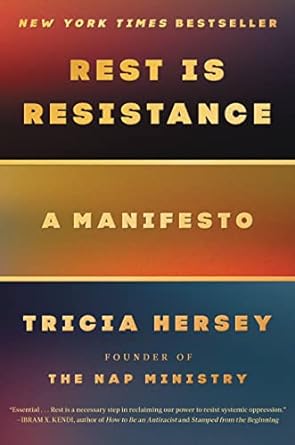
The Burnout Challenge

I recommend reading the Burnout Challenge: Managing People’s Relationships with Their Jobs by Christina Maslach and Michael P. Leiter. Decades of research support the authors’ claims.

You might not be a manager who can institute systemwide change. Yet reading this book when you’re an employee can help you to lobby for change with higher-ups and find out how to make your job less stressful.

The six root causes of burnout are: workload, control, rewards, community, fairness, and value mismatches. Contrary to popular belief the fix for this chronic stress is NOT self-care that the employee engage in outside of work.

Burnout isn’t an individual issue; It’s a situational stressor in the workplace. You are not to blame nor are any coworkers for not being able to handle this toxic environment.

The analogy the authors use is how miners sent a canary into a coal mine to see how the bird would stand up to the atmosphere. A canary that did not remain in robust health signaled danger.

Yet too often the “I” focused attempts to alleviate a staff member’s burnout are like expecting to “toughen up” the canary so it can withstand the pressure in the coal mine. Instead of making the coal mine healthier to work in.

Individual effort and management attention are required at the same time. The authors advocate that leadership perform routine and ongoing “checkups”–like a medical checkup–to assess the health of the workplace and pinpoint future areas of concern. Employees should be asked for input and the solutions should be customized to the individual company. There should be long-term commitment to doing what it takes to sustain positive outcomes.

Coming up what we as employees can do to manage what goes on. Again knowing that often management practices are at the root of the burnout.

The Pomodoro Technique

A method for controlling your time on the job that I think everyone should use is the Pomodoro Technique.

Creator and author of the book the Pomodoro Technique Francesco Cirillo originally used a kitchen timer shaped like a tomato. Pomodoro is Italian for tomato.

I wrote about this before: You set a kitchen timer for 25 minutes. Use the block of time for a section of a work project. When the timer goes off set it for a five-minute break period. In the five minutes do nothing related to the work project.

Schedule 3 to 5 Pomodoros in the morning. Take lunch. Continue with 3 to 5 Pomodoros in the afternoon.

Managing Time on the Job

Before I review again the Pomodoro Technique (genius!) I want to write about two methods for managing time on and off our jobs.

First: We can use “time blocking” to schedule into a shared calendar the blocks of time we’re using for specific projects. Listing the type of work we’re doing in each block.

Second: We can use “time boxing” to take time for ourselves. This will also allow us to rein in the time we devote to passion projects. So as to not let this time creep into the time we need for our commitments.

On and off our jobs we can use time blocking and time boxing.

The benefit is that these acts are simple strategies for managing our time.

What often leads to burnout is that we live our lives on (and off!) the jobs in reaction mode instead of being proactive. Everything that comes on our desk at that minute or all the invitations in our private life piling up are seen as emergencies. We think we have to resolve these things immediately when they come crashing into our days at the time we’re doing something else.

Multi-tasking by shifting our focus from one task to another repeatedly has been proven to be an ineffective tactic for getting work done. I remember the interviewer for one job telling me that I would have to be good at multi-tasking. This was decades ago and her crystal ball was broken. No need existed on that job for multi-tasking after all.

Slowing down and focusing is the secret to managing our work projects. If you have ADD or ADHD you might need to read a book about specific ways to develop workarounds for time management that take into account the challenges you have. I will research these kinds of books and get back to followers in here with the titles.

I took a burnout quiz. It showed I had no burnout. It is possible to halt burnout before it starts. In coming blog entries I will talk more about how to do this. I will talk about alleviating pressure on the job too. It’s the stress that leads to burnout. And stress doesn’t have to be inevitable on the job.

How to Alleviate Burnout

The fact is we should not have to alleviate burnout. We should not experience this in the first place. The 6 root causes of burnout come from management. In the coming blog entries I’ll talk about how to stop burnout before it starts.

First: research proves that a caring company is a healthy and wealthy company. Per the book The Power of Wonder: The Extraordinary Emotion that Will Change the Way you Live Learn and Lead:

“Research out of Utrecht University found that those who felt they could be authentic at work had higher job satisfaction, engagement, motivation, and performance.”

Finding a job where we can show up as our true self is the key. Where are these jobs? I don’t think they’re in office work as corporate workplaces continue to exist today with management foisting unrealistic demands on employees.

The higher the overtime hours a person works the less productive they are. Sixty hour workweeks do not prove you’re working hard.

I’m going to review in here again The Pomodoro Technique which is a better way to get work done within the day.

The Power of Wonder states also: “Empathy has a bottom-line benefit, too. Another study found the top ten most empathetic companies showed twice the growth in value as that of the bottom ten and generated 50 percent more in earnings.”

I’m quoting from this book because I think you should buy the book and read it. The Power of Wonder should win a literary prize. I checked it out of the library. It was published this year so is current.

Coming up more on clocking burnout out of our lives before it takes over.

This Must Be The Place

I arrived early to an after-hours event at a library. Able to browse the shelves I checked out three books.

The beauty of working in a public library is that I can wear silver-coated pants and black platform Adidas Gazelles to the job. Plus use neon green eyeliner and lavender lipstick.

“This Must Be the Place” if you want the freedom to clock out on time, get generous paid time off, and possibly receive a pension when you retire.

The pay isn’t always so hot yet you’ll likely be offered a 403(b) you can contribute to for a source of retirement income.

This month I took a burnout quiz that revealed I didn’t have compassion fatigue. In the coming blog carnival I’ll talk about stopping high stress before it starts. Our work doesn’t have to create ill health.

We can S.O.S.–save our sanity and serenity before things get out of hand. That’s why I’ve coined the term The New Alt-American Dream: We can opt out of what used to be called “the rat race” and find the job we like going to.

Not everyone likes living in New York City. That’s OK. I recommend researching jobs in your local public library system. To become a professional librarian you’ll need a master’s degree. A clerk or computer tech person often only needs a H.S. diploma or GED.

Gold Stars: Boon or Boondoggle

I checked the above book out of the library.

What if we took the off ramp on the high-stress mainstream highway?

What if you joined me in living life Left of the Dial?

The New Alt-American Dream is alive and well.

For those of us with the courage to veer off the beaten career path there’s joy, meaning, purpose, and fulfillment in serving others. More on this in the coming blog entry.

Right now the myth to bust:

We should stop inculcating in teenagers that they must get on the freeway to success early in life with high SAT scores and pedigrees from elite colleges.

No young person should have to know by 18 what they want to do with their life. Play and fun is warranted. Not doing community service solely to get into the right university.

In here I reviewed the book Late Bloomers about how those of us who didn’t take this “conveyor belt” ride to early achievement have traits that enable us to succeed in our older years.

Recently I read Project 333. The author of that book wrote that she spent 20 years in a marketing job. Racked up credit card debt buying clothes she never wore with tags still attached.

Courtney Carver stayed in that career because she thought the job was what she had to do to prove her worth in society and get ahead. Along the way she was diagnosed with MS–multiple sclerosis.

Too often we’re afraid to do what we really want. We succumb to chasing fame or fortune so grind away in a “money pit” job.

Or the ideal work would come with a lower salary. That’s why in my career guide Working Assets I talk about getting a second source of income while you clock in during the day at a job you like.

In the next blog entry I’ll talk about a beautiful job for dreamers who want to do what they dream of.

On Liking Your Job

I’m not buying that Black and Latinx workers are forced to suffer in miserable jobs to pay bills.

I helped an African American person create a resume. They landed an interview and got a job in the field they went to school for.

This happens all the time when I help people create resumes: it’s a running joke that they’ll get a job offer after they come to me.

Burnout does not have to be the inevitable outcome in the workplace. In a future blog carnival I’ll detail methods to eliminate burnout (hint: it’s up to management to do the right things first of all).

In my book Working Assets I differentiate between doing what you love on the job and loving what you do. This has a significant implication for alleviating burnout.

To wit: If you’re a home cook you don’t have to become a chef in a high-pressure restaurant kitchen. You can bake pies and bring them to your job to share with coworkers. You can whip up pastries and sell them on the side for extra income.

How to like your job a whole lot better?

Read the Muse website newsletter articles below:

Workday Self-Care

37 Ways to Be Happier at Work

You Didn’t Cause Your Own Burnout

The New Alt-American Dream

I’ve coined the term The New Alt-American Dream to talk about a better healthier way of living and working.

I’m grateful that I used up only 9 years working in ill-fitting law and corporate office jobs in the mainstream. Luckily I didn’t waste 20 years like some people do chasing the big bucks in a career I thought I needed to have to get ahead.

By the time I was 32 I started graduate school. At 35 I was working at my job as a professional librarian.

In the coming blog carnival I’m going to write in a series of entries about The New Alt-American Dream.

After checking out over 2,500 items from the library I’ve become a Power User. I glean fresh insight and get ideas for what to write in my blogs by reading new nonfiction books every week.

To start out in the next blog entry I will assail the myth that doing what you love on a job is not possible. I will dispel that experiencing burnout on the job is inevitable.

In this blog entry too I’ll knock the chip off the shoulder of the media darling author who claims Black and Latinx workers are forced to take soul-sucking jobs to pay bills. Not so. Not at all.

As you’ll read soon The New Alt-American Dream is alive and well.

Staying Well on the Job

Staying well on the job is not possible if we can’t take a sick day or a mental health day to rest recuperate and recover from illness.

In a future blog entry I will talk about my experience as a professional librarian.

Here I want to lead up to my testimonial with what I think about the fallacy of putting a devotion to your work above or instead of your wellness.

In an issue of Mademoiselle magazine a feature article on working life insinuated: “Do as your boss does” and show up to your job even when ill.

In the 1990s when that gem of advice (cue the sarcasm) appeared I talked on the telephone with the owner of an insurance firm.

He told me: “It’s okay to take one sick day. You take two or worse three sick day in a year that’s an issue.”

Right then I wouldn’t work for him. Going to our jobs when we’re ill is not healthy–for us or our coworkers.

On a union job like the one I have you can often accrue sick time to the tune of 30 days or more if you rarely use sick leave.

The trend is for workers with 100s of hours of sick time to donate their sick leave hours to a coworker who needs more.

Again the FMLA–Family Medical Leave Act–is not paid time off. Senators and congresspersons in Washington have refused to enact paid national sick leave for all American workers.

That’s why I recommend getting a union job that might offer a pension and generous paid time off.

I’m no fan of working in a cubicle in a traditional office job after the first ill-fated nine years I had jobs in corporate and law firm offices.

There’s a better way and I’ll write about the alternative coming up.

It involves having the courage to not only think outside of the employment box but to flatten those boxes. To not let ourselves be constrained in a box to begin with.

Finding the career that is the right fit for yourself is an act of healing and an act of love.

In the new year I will talk in greater detail about burnout and pressure on the job and how to cope.

The Truth About the ADA Act

A long time ago my literary agent thought I should write about the advances coming slowly but coming surely for individuals who need ADA Act accommodations.

After scrolling through a tidal wave of emails I came across this one about the ADA. The truth about the ADA Act is that you must know it exists before you can request an accommodation.

Then even though the ADA Act is a legal protection for most workers you might not be covered.

Two issues are at play:

If you foresee your medical condition or disability impairing your ability to do your job you must email the right person in your company’s HR department. I wrote what to write to them in my book Working Assets. You should frame yourself as needing a job modification because your disability is interfering with your ability to get your work done.

Then suggest a reasonable accommodation you’d like to be given. The fact is you can be fired for just cause or at least simply laid off if you don’t request an accommodation.

True stories abound of individuals with disabilities who show up to their job late every day, call in sick every week, or fall asleep on the job when they’re supposed to be awake.

You do this too often and you’ll be shown the door without recourse. This is why requesting the accommodation in the first place should ideally give you breathing room before your boss terminates you.

In the coming blog entry I’ll talk about alternatives to traditional corporate office jobs and why veering off the beaten job search path could lead to better results for those of us with disabilities.